
A strong online presence is non-negotiable for any business aiming to thrive. Yet, effectively navigating SEO (Search Engine Optimization) alongside User Experience (UX) remains a challenge for many. The strategic integration of these two critical elements is essential for driving organic traffic, improving conversion rates, and creating a seamless user journey. Long-tail keywords, with their specificity and low search volume, play a pivotal role in this integration. By aligning UX design with targeted SEO strategies, businesses can enhance their search rankings, engage their target audience, and ultimately, achieve better online performance. This article examines the intricacies of this integration, providing actionable insights for a successful, holistic approach.
- Understanding Long-Tail Keywords: Achieving SEO Potential
- UX Design for Long-Tail Searches: Best Practices Revealed
- Integrating SEO and UX: A Collaborative Approach
- Optimizing User Journeys: Long-Tail Keyword Strategy
- Measuring Success: Analytics for SEO-UX Integration
Understanding Long-Tail Keywords: Achieving SEO Potential

Long-tail keywords are a powerful tool in the SEO strategist's arsenal, offering immense potential to reach highly specific audiences and significantly boost online visibility. These are essentially more specific and longer phrases that users type into search engines, reflecting precise user intent. Understanding how to harness the power of these keywords is crucial for any business aiming for top search rankings. By integrating user experience (UX) principles into long-tail keyword campaigns, you can create a strategic advantage that rivals the best UX SEO agencies.
The key lies in recognizing that effective UX design and SEO are not mutually exclusive; they are interconnected and synergistic. When optimizing for long-tail keywords, UX considerations become even more critical. An user's journey through a website or application should seamlessly align with their search intent. For a nearby SEO-focused UX designer, this might involve creating a user flow that guides potential clients through a clear conversion path, addressing their specific needs at each stage. By understanding the user's path, from initial keyword search to final conversion, designers can craft experiences that not only satisfy search engine algorithms but also deliver a superior user experience.
A successful integration strategy starts with thorough keyword research, identifying not only the long-tail keywords but also their search volumes and competition. This data should inform UX decisions, such as prioritizing keyword placement on pages and optimizing content to match user expectations. If a business targets "best UX SEO services in [city]," the on-page content and user flow should reflect this focus, ensuring a clear and satisfying user journey for this specific audience. The ultimate goal is to create a seamless transition from search results to the website, encouraging users to engage, interact, and ultimately convert. This holistic approach, combining UX and SEO, can significantly improve key performance indicators (KPIs) and set a business apart from its competitors.
UX Design for Long-Tail Searches: Best Practices Revealed

In the competitive landscape of online search, long-tail keywords are a powerful tool for niche user experience optimization services. When strategically integrated into SEO strategies, these keywords can significantly enhance a website's visibility and user engagement. The challenge lies in crafting a user experience (UX) that aligns perfectly with the user's intent behind these specific queries, often featuring local or highly specific terms. A user searching for "best organic pizza near me" is seeking a local, specialized service, demanding a UX that reflects this precise need.
Professional SEO and UX services recognize that long-tail keywords require a tailored UX approach. Unlike broad head terms, these queries often represent users at various stages of their buying journey, from awareness to consideration and purchase. To optimize for these keywords, UX designers must map out the user journey, considering each touchpoint and potential user interaction. This involves creating clear and compelling content that addresses the user's specific needs, from informative articles for informational queries to interactive elements for more transactional searches.
The best practices for UX design in long-tail keyword campaigns include conducting thorough keyword research to identify relevant terms, implementing keyword-rich content that is both informative and engaging, and utilizing tools like heatmaps and A/B testing to optimize user flows. A website optimized for "local car repair services" might feature a prominent call-to-action (CTA) on the homepage, offering a free estimate. This not only caters to the user's immediate need but also improves conversion rates, a key performance indicator (KPI) closely tied to successful UX and SEO integration. By focusing on the user's journey and tailoring the experience to their unique queries, businesses can achieve higher rankings and better engage their target audience.
Integrating SEO and UX: A Collaborative Approach
Integrating SEO and UX is a strategic approach that leverages the power of both disciplines to enhance online visibility and user engagement. By combining search engine optimization with exceptional user experience, businesses can significantly improve their search rankings while ensuring that visitors have a seamless and enjoyable experience on their websites. This collaborative effort requires a deep understanding of both user needs and search engine algorithms.
A same-day UX SEO audit is a powerful tool for identifying opportunities to streamline both user flows and search engine optimization. Nearby SEO-focused UX designers can bring a fresh perspective, particularly for niche or long-tail keyword campaigns. They understand the nuances of user behavior and can tailor experiences to specific user personas, ensuring that the site's structure, content, and design align with search engine expectations. A top-rated user experience agency might uncover inefficient user journeys, recommend improvements in keyword density, and optimize the site for voice assistants, all while boosting the overall conversion rate.
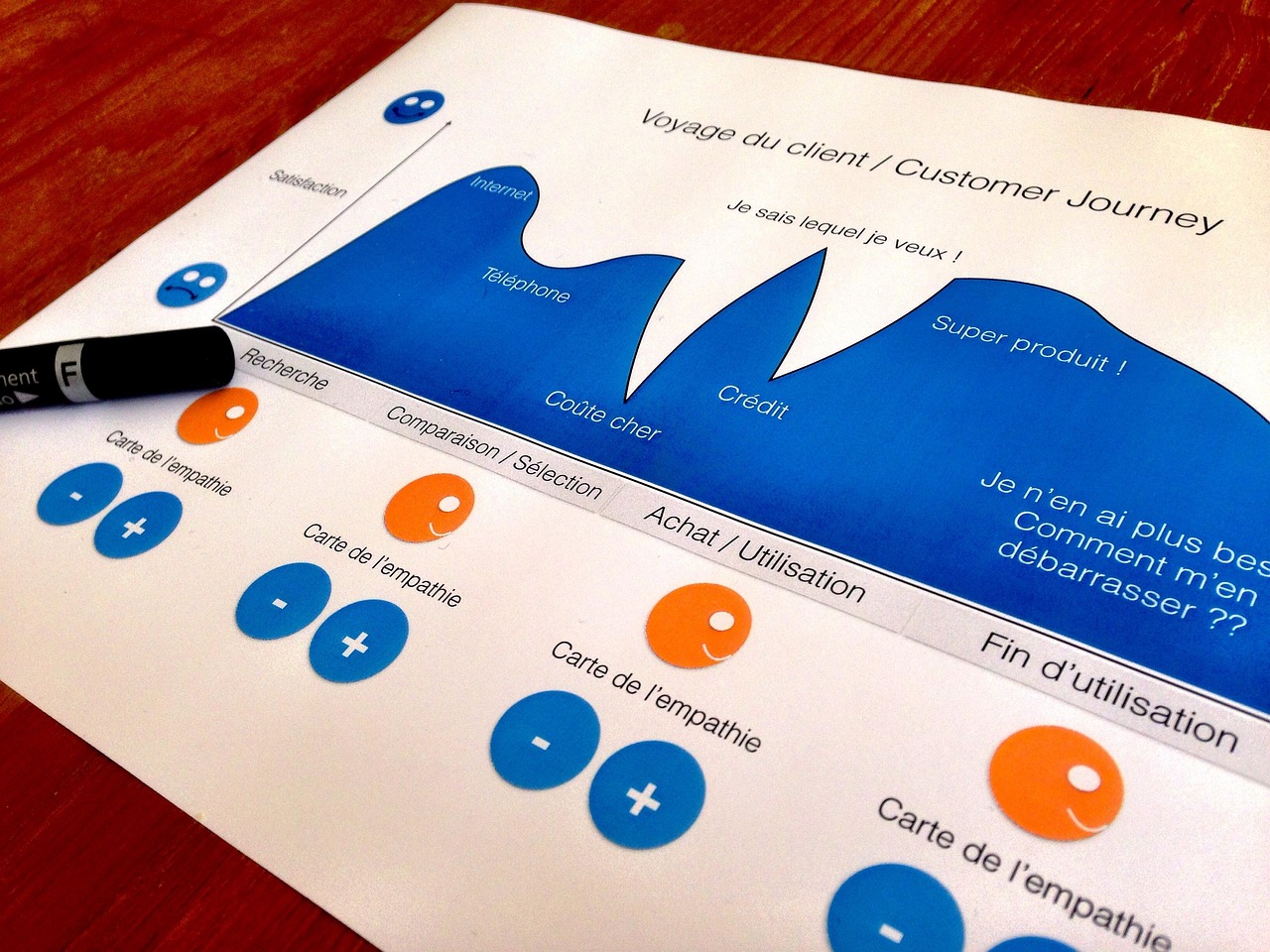
The key to successful integration lies in aligning UX best practices with SEO strategies. This involves mapping out the user journey, conducting A/B testing, and using heatmaps to track user interactions. By integrating these insights into on-page SEO, such as meta titles and descriptions, businesses can elevate their search rankings. For long-tail keywords, where competition is often lower, this approach can be particularly effective. A detailed user journey map can reveal opportunities to simplify complex processes, reducing bounce rates and increasing user engagement, which are both critical KPIs for measuring SEO success.
Optimizing User Journeys: Long-Tail Keyword Strategy

Optimizing user journeys is a strategic approach that combines User Experience (UX) design and SEO to create a seamless and effective online path for long-tail keyword campaigns. By understanding the user's path through a website or application, certified SEO-UX specialists can identify key touchpoints and opportunities to enhance conversions. This involves leveraging the insights of experienced UX researchers, who can uncover user needs, preferences, and pain points, thereby guiding SEO strategies to meet these specific demands.
In the context of long-tail keywords, this integration is crucial as these keywords often represent the specific, detailed queries that users have as they navigate their purchasing or information-seeking journeys. Consider a user searching for "organic, vegan, gluten-free baking recipes for beginners." This query is a long-tail keyword that indicates a highly specific intent. A well-designed UX should guide this user through a recipe-focused landing page, with clear calls to action, easy navigation, and relevant content. SEO optimization then comes into play by ensuring the page ranks for this long-tail keyword, thus attracting and converting the intended audience.
The process begins with user journey mapping, where specialists visualize and analyze the entire user path, from initial awareness to conversion. A/B testing, heatmaps, and keyword research are then employed to validate and refine the UX and SEO strategies. For professional SEO and UX services, a holistic approach is key, focusing on user engagement and a positive experience. By implementing these techniques, certified professionals ensure that the website's architecture, content, and visual design work in harmony to deliver a superior user experience, ultimately driving better search engine rankings and increased conversions.
Measuring Success: Analytics for SEO-UX Integration

Measuring the success of user experience (UX) and SEO integration is crucial to understanding the impact of your long-tail keyword strategy. Analytics matters in this process, offering insights into user behavior and the effectiveness of your SEO efforts. By employing a trusted user experience optimization company or professional SEO and UX services, you gain access to advanced tools and data-driven decision-making.
Google Search Console provides detailed information on user interactions with your website, such as bounce rates, average session duration, and pages per session. These metrics help you assess how well your website is meeting user expectations. Consider a near me SEO and UX expert who might recommend setting up event tracking to monitor specific actions like form submissions or downloads. By analyzing these actions, you can identify the most valuable keywords driving conversions and optimize your content accordingly.
Conversion rate optimization (CRO) is a key performance indicator (KPI) that directly correlates with successful UX and SEO integration. A high conversion rate suggests that your website is not only attracting the right audience but also effectively guiding them through the user journey. A/B testing, made possible through tools like Google Analytics, allows you to experiment with different designs, copy, and call-to-actions to optimize the user experience and, consequently, SEO performance.
Heatmaps, another powerful analytics tool, visually represent user behavior on your website. By overlaying clicks and scroll depth, you can pinpoint areas of high engagement and areas that may need improvement. For long-tail keyword campaigns, heatmaps can help you understand how users interact with content that targets niche topics. This data-driven approach ensures that your SEO and UX strategies are aligned, leading to better search engine rankings and enhanced user satisfaction.
Frequently Asked Questions About Long-Tail Keywords and UX: A Strategic Integration for SEO
What are long-tail keywords? Long-tail keywords are specific search terms that are generally more detailed and consist of three or more words. Unlike short-tail keywords, which are broad and popular (like "plumber"), long-tail keywords are less competitive and target a more precise audience. They often reflect the exact intent behind a search query, making them valuable for search engine optimization (SEO).
Why are long-tail keywords important for SEO? Long-tail keywords are crucial for SEO because they attract highly motivated and specific users. Since these keywords are less common, they can lead to a higher conversion rate as the audience is closer to making a purchase or taking a desired action. They also help in reducing competition, allowing for better rankings and more relevant traffic to your website.
How do long-tail keywords integrate with user experience (UX)? Long-tail keywords enable UX designers and developers to create more focused and relevant content. By understanding the user's search intent, you can tailor the user journey, ensuring that the content meets their specific needs. This integration results in a more satisfying user experience, leading to lower bounce rates and increased time spent on the site.
What are some strategies for integrating long-tail keywords into a website's UX? One effective strategy is to conduct thorough keyword research to identify long-tail keywords relevant to your niche. Incorporate these keywords naturally into your page titles, headings, meta descriptions, and content. Optimize user flows and information architecture to support the natural language and intent behind these keywords, ensuring a seamless user experience.
How can I measure the success of my long-tail keyword strategy? Measure the success by tracking key performance indicators (KPIs) such as organic traffic, click-through rates (CTRs), and conversion rates. Analyze search console data to see which long-tail keywords are driving the most traffic and conversions. Regularly reviewing and adjusting your content and SEO strategy based on these insights will help you optimize your long-tail keyword performance.
Are there any tools available to help with long-tail keyword research? Absolutely. Various SEO tools like Google Keyword Planner, SEMrush, and Ahrefs offer extensive long-tail keyword research capabilities. These tools provide valuable data on search volume, competition, and related keywords, helping you identify the best long-tail keywords to target for your UX and SEO strategies.
The strategic integration of user experience (UX) and SEO is a powerful approach to achieving the full potential of long-tail keywords. By understanding the nuances of long-tail searches, we can design UX that meets user intent, enhancing both user satisfaction and search engine rankings. The collaborative process of integrating SEO and UX involves mapping user journeys, A/B testing, and leveraging analytics to optimize the entire search experience. This holistic strategy not only improves key performance indicators but also ensures a seamless transition from search to conversion, making long-tail keywords a valuable asset in any SEO arsenal. Moving forward, professionals can apply these insights to refine their strategies, ensuring a competitive edge in the changing digital landscape.
Long-Tail Keyword Campaigns: Harnessing UX & SEO Integration
Long-tail keywords, precise user intent, and UX design merge for powerful SEO. Keyword research identifies search volumes, competition, guiding UX decisions like content placement and user flows. For local businesses, this means crafting user experiences that align with specific queries, like "best organic pizza near me." Integrating UX and SEO, professional agencies map user journeys, optimize content, and use A/B testing to elevate search rankings and user engagement. Analytics, including Google Search Console and heatmaps, measure success and guide data-driven optimizations. Conversion rate optimization (CRO) is a key performance indicator (KPI) for successful UX and SEO integration.